Do Sonic Electric Toothbrushes Have Downsides? 5 Common Worries Unpacked (Gum Damage? Enamel?)
Published on 2026-06-17 · The Brusheva dental team
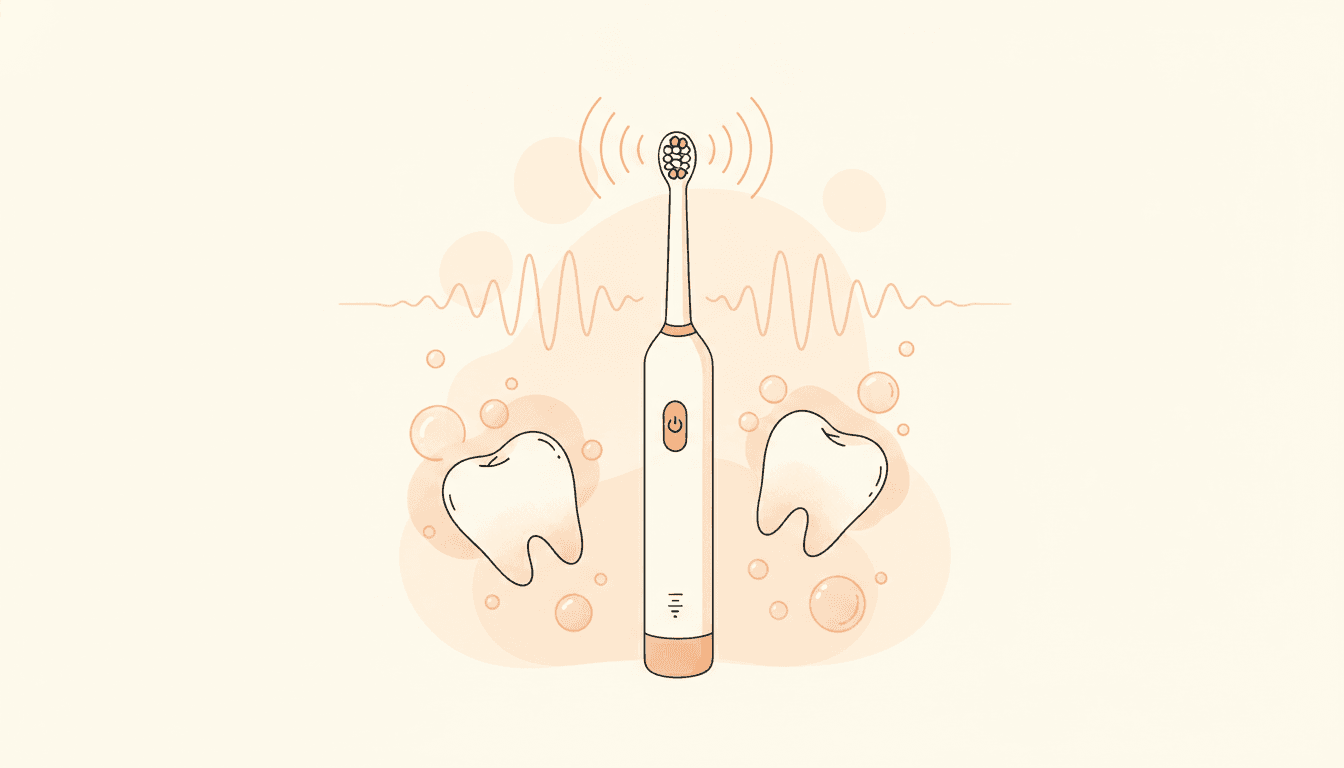
Do sonic electric toothbrushes really have downsides?
For the vast majority of people, using a sonic electric toothbrush correctly will not harm your teeth. The trouble usually lies in how you brush rather than the brush itself — for example pressing too hard, using too firm a head, or over-brushing. A sonic toothbrush relies on roughly 30,000–32,000 sonic vibrations per minute to drive the bristles and saliva into a cleansing micro-flow, so you don't need to scrub hard yourself. Once you understand that principle, the 5 worries below all become clear.
Worry 1: Will high-speed vibration damage my gums?
No — as long as you don't press down hard. The sonic vibration does the work for you, so you only need to rest the head gently against the tooth surface and move it slowly. The most common cause of gum irritation is actually carrying over the heavy-handed habit from a manual brush. If your gums are on the sensitive side, choose a soft head such as the Ultra-soft Head, and pick the gentler sensitive or Gingiva gum-care mode. Brusheva offers 5 cleaning modes so you can adapt gradually to your oral condition.
Worry 2: Does sonic vibration wear away tooth enamel?
With normal use it does not wear down enamel. Enamel erosion is usually linked to excessive force, pairing the brush with a gritty abrasive toothpaste, or brushing too frequently — not the vibration itself. Keep your hand relaxed when using a sonic brush and don't scrub back and forth as if scouring a floor. The 2-minute smart timer (a pulse every 30 seconds to switch zones) helps you avoid lingering too long on any one area. To learn how the different heads match different needs, see our article on how often to replace brush heads and how to pick.
Worry 3: Will it cause sensitivity or bleeding gums when I brush?
Slight sensitivity or a little gum bleeding early on is usually a transitional reaction, not a sign the brush has damaged you. When you move from a manual to a sonic brush, cleaning efficiency rises, and gums that already had some inflammation may bleed a little in the first few days; this typically eases as your oral condition improves. In the meantime, start with the sensitive mode and a soft head, and keep a light touch. If the situation persists, have a dental professional assess it.
Worry 4: Are sonic toothbrushes safe for braces, fillings and bridges?
Generally yes, you can use it as normal — the key is still a light touch and the right head. Users with braces especially need thorough all-round cleaning around the brackets, so an all-round head with the timer for zone-by-zone cleaning is recommended. For the key points on brushing with braces, see sonic vs rotating electric toothbrush — which suits you.
Worry 5: Can an electric toothbrush short out or let water in?
Brusheva is fully waterproof (IPX7), so you can use and clean it with confidence in the shower or by the basin. The battery lasts up to 12 weeks per charge (around 2–3 months), so you don't have to charge it daily — fewer charges and fewer plug-ins. The product is designed by an international dental team and comes with a one-year limited warranty, for extra peace of mind in use.
So what counts as using it correctly?
Remember three principles: light pressure, don't overdo it, and replace heads regularly. Replace the brush head every 3 months, or sooner if the bristles splay. Paired with roughly 30,000–32,000 sonic vibrations per minute and the 2-minute timer, you can clean thoroughly without scrubbing hard. A survey also found that 98% of surveyed Hong Kong dental professionals recommend Brusheva (2023 Hong Kong Healthcare Market Research Limited survey). To understand the technology from scratch, see the Brusheva Sonic Electric Toothbrush product page.
Quick questions
- Can the vibration of a sonic toothbrush loosen my teeth?
- Not with normal use, because cleaning relies on the bristles and micro-flow rather than pressing hard on the teeth.Just rest the head lightly on the tooth surface and move it slowly — no force needed from you.
- Which head and mode should I pick for sensitive gums?
- We recommend the Ultra-soft Head with the sensitive or Gingiva gum-care mode.Brusheva offers 5 cleaning modes so you can adapt gradually to your oral condition.
- How often should I replace the brush head?
- Replace it every 3 months, or sooner once the bristles start to splay.Deformed bristles lower cleaning efficiency and increase friction on the gums.
Related articles
Sonic vs Rotating Electric Toothbrush: A Hong Kong Buyer's Guide
What's the difference between a sonic and a rotating electric toothbrush? This Hong Kong buyer's guide breaks down how each cleans, who they suit and their upkeep cost, so you can pick the right electric toothbrush for you.
Read more →
Do Sonic Toothbrushes Have Downsides? Common Worries & Correct Use Explained
Worried a sonic electric toothbrush could harm your gums? This article works through the common concerns about the so-called downsides of sonic toothbrushes — gum sensitivity, pressure and the adjustment period — and shows you the correct way to use one, so you can decide with confidence.
Read more →
What Is a Sonic Toothbrush? How Sonic Vibration Works and Its Benefits Explained
A sonic toothbrush cleans your teeth with high-frequency vibration, producing roughly 30,000–32,000 sonic vibrations per minute to create fine fluid streams that reach between teeth. This guide breaks down how sonic vibration works, its real benefits, and how to pick the right head and mode if you're new to it.
Read more →