Sonic technology vs rotary toothbrush: the clear advantages of sonic technology
Published on 2023-10-02 · Natalia Munoz
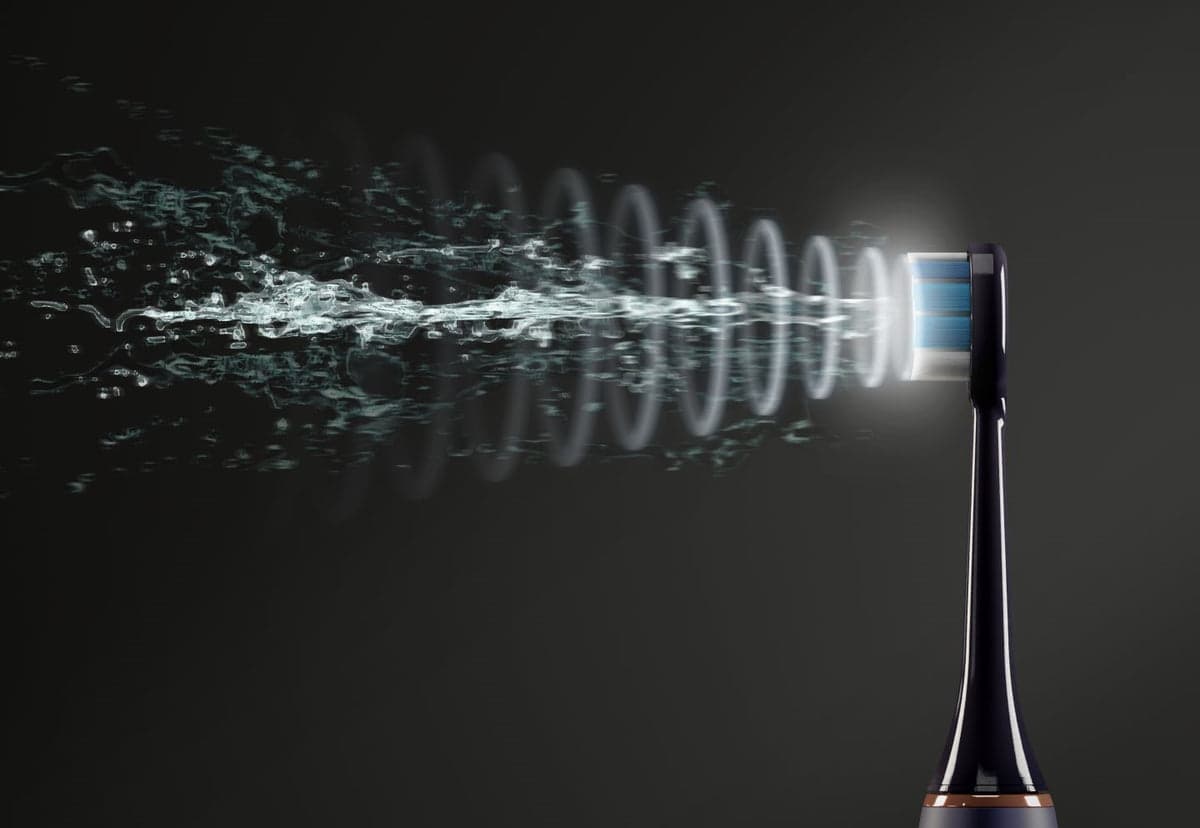
In the realm of oral hygiene, choosing the right toothbrush can make a remarkable difference to your oral condition. While sonic toothbrushes and rotary toothbrushes each have their merits, when it comes to achieving outstanding oral health the winner is actually quite clear: sonic technology is decidedly superior — especially when that technology is embodied in the Brusheva professional sonic toothbrush. In this article we explore why a professional sonic toothbrush is your best choice.
Sonic technology: the future of the toothbrush
Toothbrushes that use sonic technology, such as the Brusheva professional sonic toothbrush, harness the power of high-frequency vibration to create a dynamic cleaning effect. Through high-frequency vibration of around 30,000 to 32,000 times per minute, these toothbrushes make toothpaste produce tiny bubbles that easily remove plaque and various debris from teeth and gums.
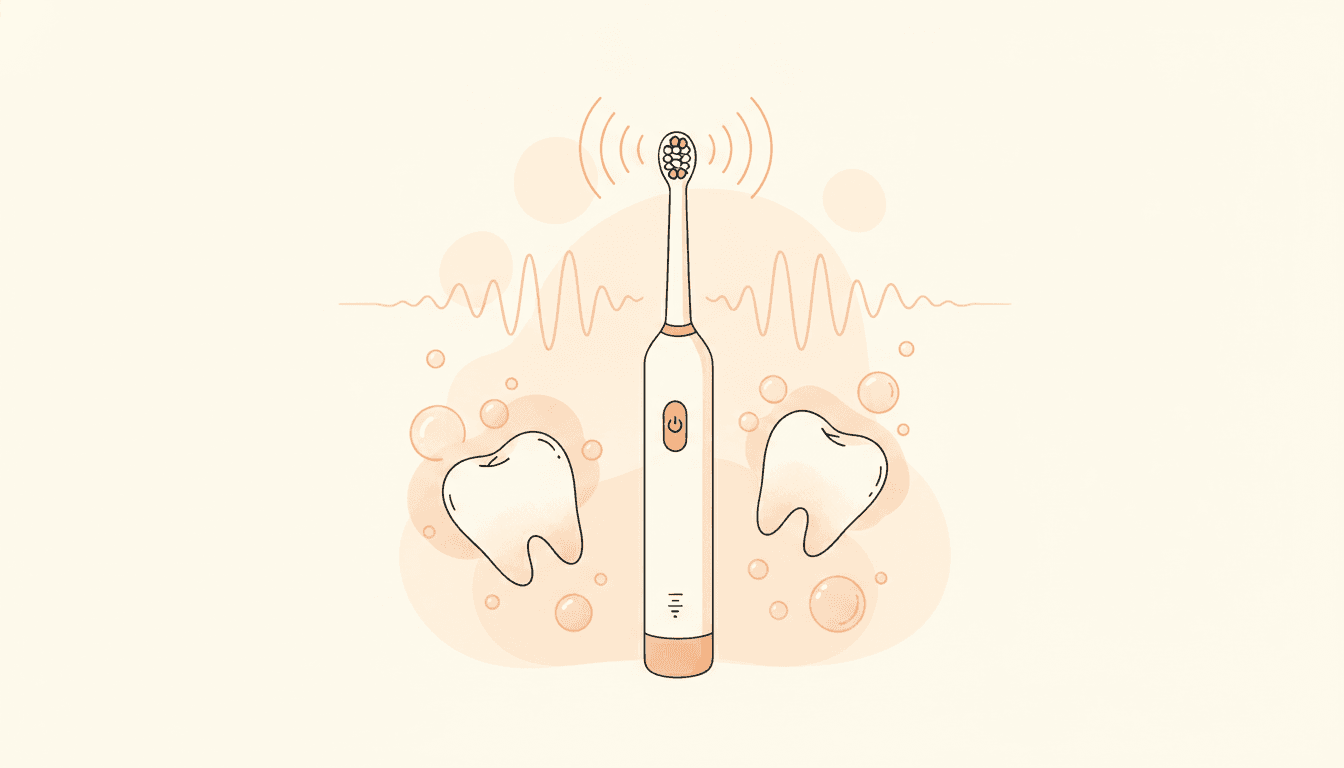
The advantages of sonic technology:
- Comprehensive cleaning: sonic technology easily reaches every corner and crevice of the mouth, including the areas near the gums and the gaps between teeth. This comprehensive clean ensures no debris or plaque is missed.
- Gentle yet effective: although sonic technology produces a strong vibration effect, a sonic toothbrush is very gentle on your teeth and gums. If your teeth and gums are sensitive, sonic technology is the ideal choice, because it delivers an excellent clean while providing a comfortable brushing experience.
- Stimulates saliva flow: the vibration effect of sonic technology can stimulate saliva flow, naturally cleaning and remineralising your teeth and promoting comprehensive oral health.
- Customisable cleaning modes: many sonic toothbrushes, including the Brusheva professional sonic toothbrush, come with multiple cleaning modes. These different functions let you choose the cleaning intensity and approach that best suit your personal needs.
Rotary toothbrushes: outdated technology

By contrast, a rotary toothbrush cleans the teeth only through continuous rotation. Although this technology has been used historically, it has some limitations.
The limitations of rotary toothbrushes:
- Less effective cleaning: a rotary toothbrush struggles to reach and clean the areas near the gums and the hard-to-reach gaps between teeth as effectively as sonic technology.
- Limited comfort: some users find the rotating action of a rotary toothbrush too direct and not very comfortable, which may be due to shortcomings in brushing technique.
- Not gentle enough on teeth and gums: the motion of some rotary toothbrushes can irritate sensitive gums and enamel, potentially causing damage and discomfort.
The sonic advantage: why choose Brusheva
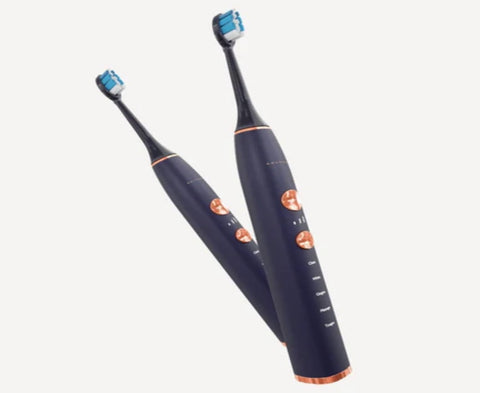
When choosing the right toothbrush, the Brusheva professional sonic toothbrush is undoubtedly your best choice. Here are the reasons to choose it:
- Outstanding cleaning power: the Brusheva professional sonic toothbrush ensures a comprehensive, gentle cleaning experience that leaves your mouth feeling fresh and removes all plaque.
- Customisable cleaning modes: Brusheva offers multiple cleaning modes, so whether you are cleaning sensitive teeth or want an intense clean, you can tailor the brushing experience to your personal needs.
- Gentle on your gums: Brusheva's sonic technology provides comfortable yet efficient oral care with its gentle cleaning action.
Watch our introduction video
Quick questions
- What's the difference between sonic and rotary toothbrushes?
- Sonic uses high-frequency vibration for fluid cleaning, while rotary relies only on a spinning head.Sonic technology offers broader coverage and is gentler on the gums.
- Why is sonic technology kinder to sensitive teeth?
- It delivers a powerful clean while keeping brushing comfortable and gentle.That makes sonic brushes especially suitable for sensitive teeth or gums.
Related articles
Do Sonic Electric Toothbrushes Have Downsides? 5 Common Worries Unpacked (Gum Damage? Enamel?)
Many Hong Kong buyers want to switch to a sonic electric toothbrush but worry the vibration will harm their gums or wear away enamel. This article unpacks the 5 most common concerns one by one, and shows you how to use it correctly and pick the right brush head for a worry-free switch.
Read more →
Sonic vs Rotating Electric Toothbrush: A Hong Kong Buyer's Guide
What's the difference between a sonic and a rotating electric toothbrush? This Hong Kong buyer's guide breaks down how each cleans, who they suit and their upkeep cost, so you can pick the right electric toothbrush for you.
Read more →
Do Sonic Toothbrushes Have Downsides? Common Worries & Correct Use Explained
Worried a sonic electric toothbrush could harm your gums? This article works through the common concerns about the so-called downsides of sonic toothbrushes — gum sensitivity, pressure and the adjustment period — and shows you the correct way to use one, so you can decide with confidence.
Read more →